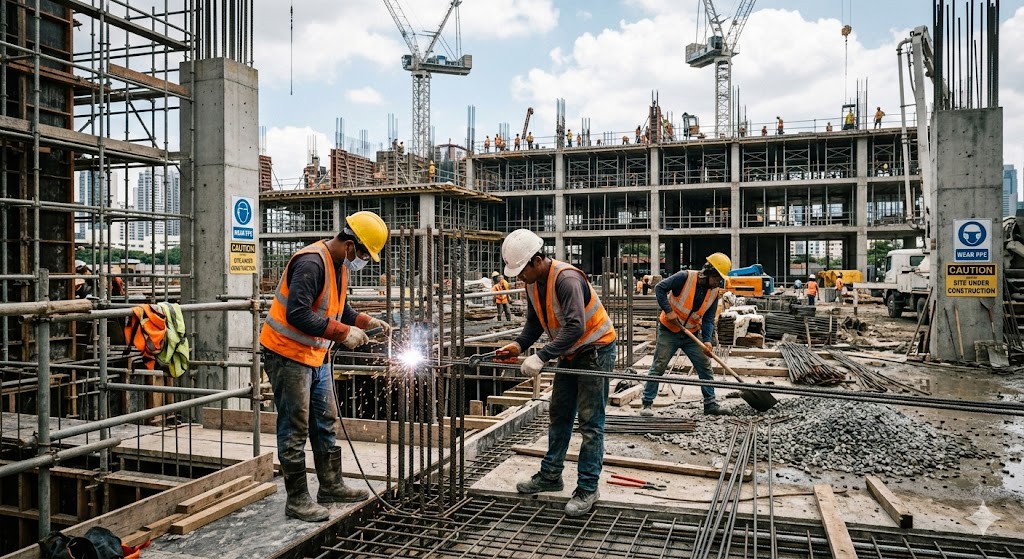
Find the Best Jobs for Labours in Dubai

Dubai’s construction cranes never sleep. Walk through any neighborhood at 6 AM, and you’ll see thousands of workers heading to sites across the city, building the towers, roads, and infrastructure that keep this emirate growing. For anyone searching for jobs for labours in Dubai, the opportunity is real, but so is the competition. Over 80% of Dubai’s population consists of expatriates, and a significant portion works in manual labor sectors that form the backbone of the economy.
I’ve spoken with dozens of workers who’ve made the journey here, and their experiences vary wildly. Some found stable employment within weeks, earning enough to support families back home while building new skills. Others struggled with unscrupulous recruiters and unclear contracts. The difference usually comes down to preparation and knowing where to look.
What makes Dubai different from other labor markets? The scale of projects never stops. Expo City developments, new metro lines, hotel expansions, and residential towers create constant demand. The government has also strengthened worker protections in recent years, making this a more secure destination than it was a decade ago. But you need to understand the system before you arrive.
Overview of the Labor Market in Dubai
Dubai’s economy runs on imported talent at every level, from executives to general laborers. The labor market here operates differently than most countries, with employers typically sponsoring visas and providing accommodation. This creates both security and dependency, making it crucial to choose employers carefully.
High-Demand Industries for General Labor
Construction dominates, accounting for roughly 30% of all labor positions. But the picture is broader than cranes and concrete. Warehousing has exploded with e-commerce growth, particularly around Jebel Ali Free Zone. Manufacturing facilities need assembly workers, machine operators, and quality inspectors. The hospitality sector constantly recruits housekeeping staff, kitchen helpers, and maintenance workers.
Seasonal demand matters too. Summer months see reduced outdoor construction activity due to midday work bans during extreme heat, while retail and hospitality peak during tourist season from October through March.
Key Locations for Job Opportunities
Jebel Ali and Dubai Industrial City concentrate manufacturing and logistics roles. Dubai South, near Al Maktoum International Airport, has become a major employment hub with ongoing aviation and logistics projects. Downtown Dubai and Business Bay offer hospitality positions, while areas like Dubai Creek Harbour and Dubai Hills Estate have active construction sites.
The newer developments in Dubai South and Expo City areas are particularly worth watching, as they’re scaling up operations and actively recruiting.
Top-Rated Sectors for Laborers
Not all labor jobs offer the same conditions. Some sectors provide better pay, clearer advancement paths, and more reliable employers. Understanding these differences helps you target your search effectively.
Construction and Infrastructure Roles
Construction remains the largest employer of manual workers. Positions range from general helpers earning around AED 1,200 to 1,500 monthly to skilled tradespeople like electricians, plumbers, and welders who can earn AED 2,500 to 4,000 or more.
The best construction employers are typically large contractors working on government projects, as these companies face stricter compliance requirements. Look for companies working on Dubai Metro extensions, road projects, or major developments with international developers.
Warehousing and Logistics Opportunities
This sector has grown dramatically. Amazon, Noon, and dozens of other e-commerce companies operate massive fulfillment centers requiring pickers, packers, forklift operators, and inventory clerks. Pay typically ranges from AED 1,500 to 2,500 monthly, with more predictable hours than construction.
Logistics roles often include air-conditioned facilities, a significant quality-of-life factor in Dubai’s climate. Career progression is also clearer, with supervisory positions achievable within two to three years of reliable performance.
Hospitality and Facilities Management
Hotels, malls, and office buildings employ thousands of workers for cleaning, maintenance, landscaping, and support roles. Major hotel chains like Marriott, Hilton, and Emaar Hospitality generally offer better conditions than smaller operators.
Facilities management companies such as Emrill, Farnek, and Imdaad are worth researching, as they provide services across multiple properties and often have structured training programs.
Essential Requirements and Documentation
Dubai’s employment system requires specific documentation. Missing paperwork doesn’t just delay your job search; it can result in fines or deportation. Get this right before you arrive.
Visa and Work Permit Regulations
Employment visas are sponsored by employers, not obtained independently. The process typically works like this: you receive a job offer, the employer applies for your work permit, you receive an entry permit to enter Dubai, then complete medical tests and Emirates ID registration upon arrival.
Never pay excessive fees to agents for visa processing. Legitimate employers cover these costs. If someone asks for thousands of dollars upfront, walk away.
The two-year employment visa is standard, though some contracts are shorter. Your visa ties to your employer, so changing jobs requires either completing your contract or obtaining a no-objection certificate.
Health and Safety Certifications
Most labor positions require passing a medical examination conducted at government-approved centers. This includes blood tests, chest X-rays, and general health screening.
For construction and industrial roles, safety certifications matter. NEBOSH or IOSH certifications improve your employability and can increase pay. Many employers provide basic safety training, but arriving with certifications demonstrates professionalism.
How to Find and Apply for Reliable Jobs
The method you use to find work significantly impacts your experience. Direct applications and reputable agencies produce better outcomes than informal networks or unknown recruiters.
Using Reputable Recruitment Agencies
Licensed agencies registered with the Ministry of Human Resources are your safest option. Agencies like Al Futtaim, Transguard Group, and Adecco have established reputations and handle large-scale recruitment.
Red flags include agencies demanding large upfront payments, promising unrealistic salaries, or being vague about employer details. Legitimate agencies are paid by employers, not workers.
If recruiting from your home country, verify the agency’s license through your country’s labor ministry and the UAE’s official channels.
Online Portals and Mobile Job Apps
Digital platforms have transformed job searching for laborers in Dubai. Bayt.com, GulfTalent, and Indeed UAE list thousands of positions. LinkedIn works for some roles, particularly skilled trades.
Mobile apps like Dubizzle and specialized labor recruitment apps allow direct applications. Many workers find success by creating simple profiles highlighting their experience and availability.
Apply to multiple positions, but read job descriptions carefully. Legitimate listings include company names, specific job duties, and realistic salary ranges.
Evaluating Salary, Benefits, and Worker Rights
Understanding what you should receive helps you identify good opportunities and avoid exploitation. Dubai has strengthened worker protections, but enforcement depends partly on workers knowing their rights.
Understanding Minimum Wage and Allowances
Dubai doesn’t have a universal minimum wage, but the Wage Protection System requires employers to pay salaries through registered bank transfers, creating documentation and accountability.
Typical monthly salaries for general labor range from AED 1,200 to 2,000, while skilled workers earn AED 2,500 to 5,000. Overtime pay is legally required at 125% of regular rates, increasing to 150% for night work.
Your contract should specify basic salary, accommodation arrangements, transportation, and any allowances. Get everything in writing before accepting.
Accommodations and Transportation Standards
Most labor contracts include employer-provided accommodation. Government regulations specify minimum standards: specific space per person, proper ventilation, sanitation facilities, and kitchen access.
Transportation to and from work sites is typically provided. Some employers offer food allowances or meals.
If accommodation or transport conditions don’t match what was promised, document issues and report them to the Ministry of Human Resources.
Future Outlook and Career Progression for Laborers
Dubai continues investing in infrastructure, with projects planned through 2040 and beyond. The labor market isn’t disappearing, but it is changing. Automation affects some warehouse roles, while construction increasingly values workers with technical skills.
Career progression is possible. Workers who learn additional skills, whether equipment operation, basic electrical work, or supervisory abilities, can advance to higher-paying positions. Some employers offer training programs; take advantage of these.
The workers who thrive here share common traits: they arrive with realistic expectations, choose employers carefully, document everything, and continuously build their skills. Dubai offers genuine opportunity for those willing to do the work, both the physical labor and the preparation required to find reliable employment.
Start your search with licensed agencies and official job portals. Verify everything before signing. And remember that the best jobs for labourers in Dubai go to those who approach the process professionally, treating their job search with the same seriousness they’ll bring to the work itself.
